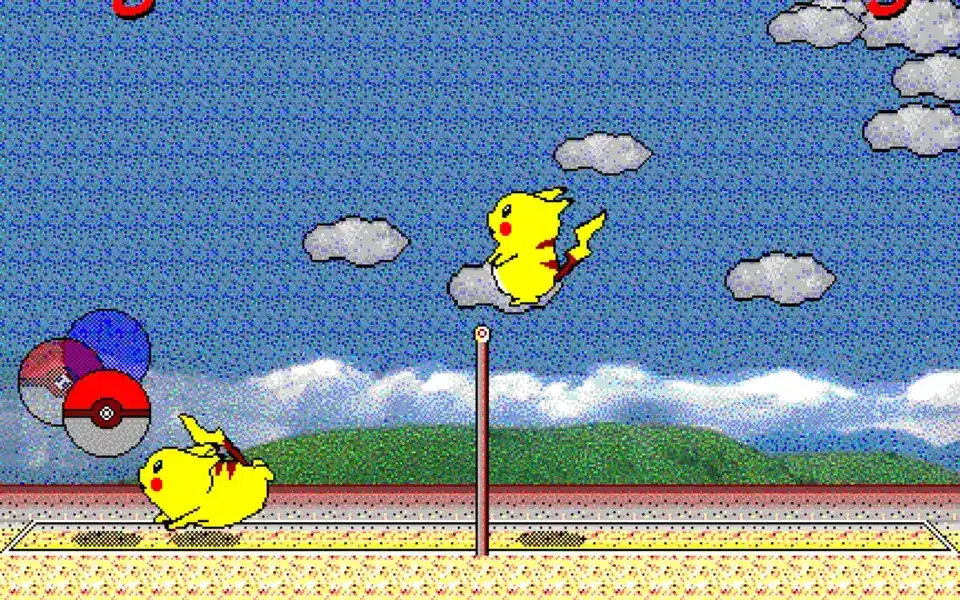
- First priority
- Return to a balanced position after every touch
- Attack cue
- Contact the ball near the top of a controlled jump
- Defense cue
- Read the arc before chasing the landing point
- Practice target
- Ten repeatable rallies before risky power shots
Turn Pikachu Volleyball tips into a repeatable win loop
A useful Pikachu Volleyball tip is only valuable when you can repeat it under pressure. Choose one situation, such as a short ball near the net, and practice the same response for several rallies. Move early, contact the ball at a comfortable height, then recover before looking for the next attack. This turns a vague goal like win more into a small decision you can measure.
Use a simple three-question reset after every point: where did the ball land, where was my character after contact, and what space did the opponent leave? If the answer shows a late jump or a missing recovery step, fix that one habit before adding another trick. Stable defense gives your spike timing more chances to work.
For two-player practice, agree on one target before the set starts. Play five short rallies focused on deep returns, then five focused on changing direction late. The goal is not to discover a secret command; it is to make a good position, timing choice, and recovery automatic enough to survive a close point.
- Choose one match situation instead of changing every input.
- Recover after contact before planning the next attack.
- Review landing space, contact height, and opponent position.
- Use short practice sets with one measurable target.
- Add advanced tricks only after the basic response is stable.
The quick answer: win the next touch, not the current animation
Most beginner losses happen because the player watches the current hit and forgets the next landing. A useful Pikachu Volleyball strategy is to finish every action with a recovery plan. After serving, move toward a position that covers the middle. After jumping at the net, decide where you will land. After a defensive touch, create enough space to approach the next ball instead of staying underneath it.
This simple rule also reduces panic. You do not need a perfect winner on every contact. A high, safe return can be better than a rushed power hit when your position is poor. Once your rallies become stable, add sharper angles and faster attacks without abandoning court balance.
- Keep enough distance from the net to move forward or backward.
- Use safe returns when the ball is behind your ideal contact point.
- Land facing the next likely ball path whenever possible.
- Treat every hit as the start of the next defensive sequence.
Positioning: defend space before you chase the ball
Standing directly under the ball feels safe, but it removes your approach angle and makes late corrections difficult. Start from a balanced area on your side, then move toward the predicted landing point. If the opponent is close to the net, protect the short angle without giving up the entire back court. If the opponent contacts the ball from deep, expect a longer arc and avoid rushing forward too early.
The center is not a fixed pixel; it is the place from which you can answer the opponent's most likely options. Adjust it according to the ball height, the opponent's position, and your own landing momentum. Good positioning makes ordinary reactions look fast because the distance to the ball is already shorter.
- Move while the ball rises, not only after it starts falling.
- Avoid camping against the net after a failed block.
- Leave a small approach lane for your next jump.
- Against repeated short shots, step forward gradually instead of committing all at once.
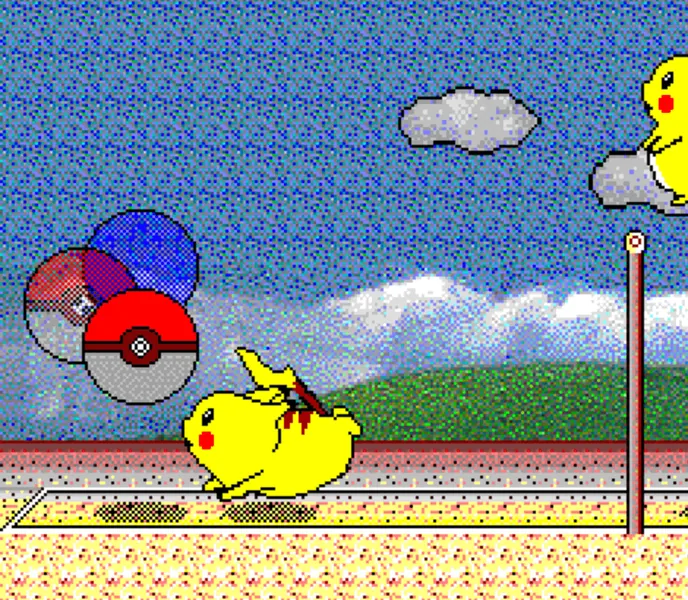
Spike timing: control the contact height before adding power
A reliable spike begins with a repeatable jump. Move into the ball's path, jump before it drops too low, and use the power hit when the ball is in front of or slightly above the character rather than already behind the body. Contacting too early can send a weak or predictable ball; contacting too late often produces a recovery scramble.
Practice one comfortable contact height first. When that timing becomes automatic, vary the direction or delay slightly to beat an opponent who jumps on your first cue. The goal is not maximum speed on every attack. The goal is to make the same approach produce more than one possible result.
- Approach under control instead of holding a direction through the whole jump.
- Watch the ball-character gap, not only the top of the net.
- Use a safe touch when the ball passes behind your ideal contact zone.
- Recover immediately after landing instead of admiring the shot.
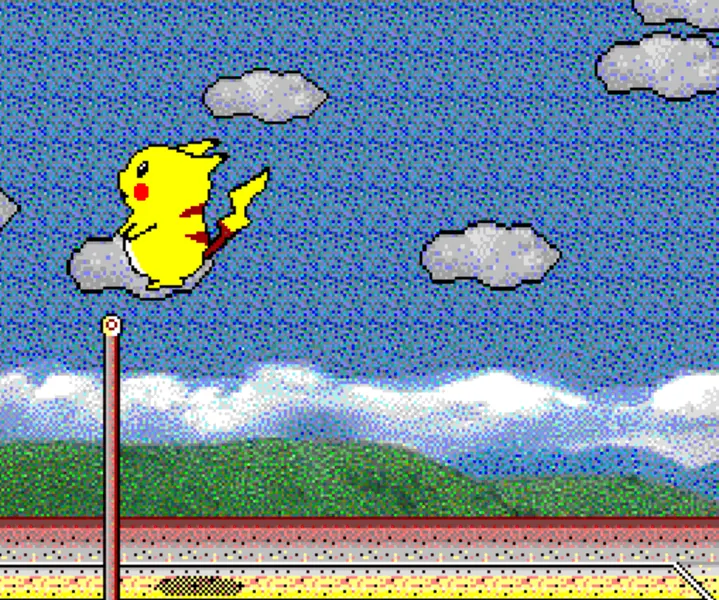
Shot direction and mind games
Directional attacks become effective when the opponent cannot read them from your approach. Use the same starting movement, then choose the final direction close to contact. Alternate a deep return, a shorter angle, and a neutral safe ball. If every jump becomes an immediate power hit, the defender can move before the ball is struck.
A useful fake is simply refusing to force the expected attack. Let the opponent commit to the net, then send a safer ball into the open court. The next time, use the same setup and attack earlier. Pikachu Volleyball tricks work best as variations inside a stable pattern, not as isolated button combinations.
- Show the same approach before choosing different directions.
- Mix deep balls with short angles instead of repeating one winner.
- Notice whether the opponent moves before or after your jump.
- Use the open court created by the opponent's recovery path.
Defense: read the arc, absorb pressure, and reset
Defense starts before the opponent contacts the ball. Track whether the opponent is rising, falling, close to the net, or hitting from deep. These cues narrow the likely landing area. When you are late, prioritize keeping the ball playable rather than attempting a perfect counterattack from a bad position.
After a difficult save, reset the rally with height and space. Move away from the landing point so you can approach the next touch. Many points are lost not on the first save, but because the defender remains trapped under the rebound and has no controlled second action.
- Read the opponent's contact point before sprinting.
- Use a high recovery ball when your feet are out of position.
- Do not jump at every possible net contact.
- After saving, create room for the next approach.
Two-player strategy: learn the opponent, not just the keyboard
Local two-player matches reward pattern recognition. During the first few rallies, identify which direction the opponent prefers, whether they jump early, and how quickly they recover from the net. Then choose one adjustment at a time. Moving half a step earlier is often more valuable than trying an unfamiliar combo during a close point.
Because both players share one keyboard, confirm the controls and test simultaneous input before treating a missed command as a strategy error. Once input is stable, use short practice sets with a single focus: deep returns, short defense, late direction changes, or recovery after a blocked attack.
- Spend the opening rallies collecting information.
- Attack the space the opponent leaves during recovery.
- Change one habit at a time so you can see what worked.
- Test shared-keyboard input before competitive rounds.
A 15-minute practice routine
Start with three minutes of safe rallies and count consecutive returns. Continue with three minutes of controlled jumps at one contact height. Then spend three minutes changing only shot direction, followed by three minutes of defense without unnecessary net jumps. Finish with three minutes of normal play while keeping the same recovery rule after every touch.
Record one mistake after each session. Examples include standing too close to the net, jumping while the ball is behind you, or repeating the same attack direction. A small, measurable correction produces faster improvement than trying every community trick in one match.
- 3 minutes: safe rally consistency.
- 3 minutes: repeatable jump and contact height.
- 3 minutes: direction changes from the same approach.
- 3 minutes: defensive reads and recovery spacing.
- 3 minutes: full play with one chosen focus.