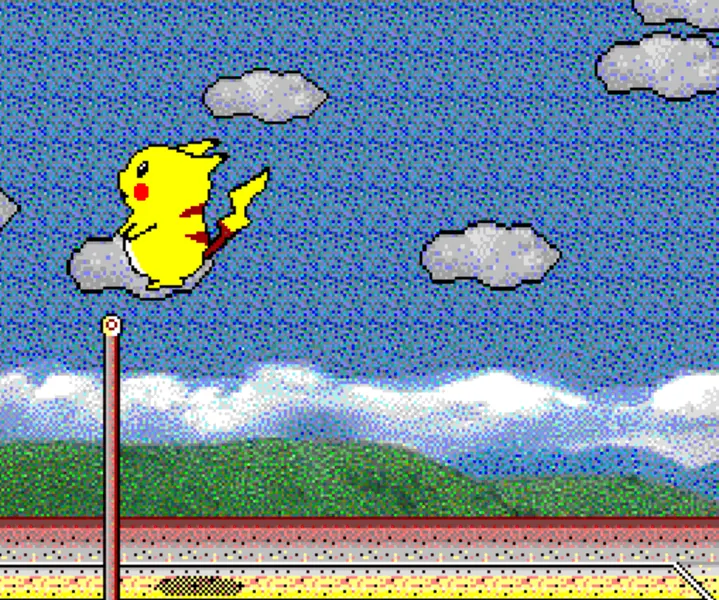
- Main idea
- Move the defender before choosing the open space
- Foundation
- Repeatable jump and contact height
- Main risk
- Staying too close to the net after landing
- Practice order
- Short ball, late direction, combined pattern
Tricks work because the decision comes late
A useful trick begins with a normal-looking approach. If your jump, spacing, and timing always reveal the target, a fast opponent can move before contact. Keep the setup familiar and delay the final choice between a deep return, a short drop, or the opposite side.
This is different from searching for a cheat or hidden command. The advantage comes from making two possible shots look alike until the last moment, then recovering quickly enough to survive if the ball comes back.
- Repeat the same approach shape.
- Keep both short and deep targets available.
- Avoid using one winning pattern three times in a row.
Trick 1: place a short ball behind the net
The easiest advanced option is a short ball when the defender has drifted deep. During practice, ignore the score and count how often the ball lands in the front portion of the opposite court.
Do not rush all the way under the net. Move beneath the ball, meet it near a repeatable jump height, use a compact contact, and leave enough room to step back toward center after landing.
Trick 2: change direction at contact
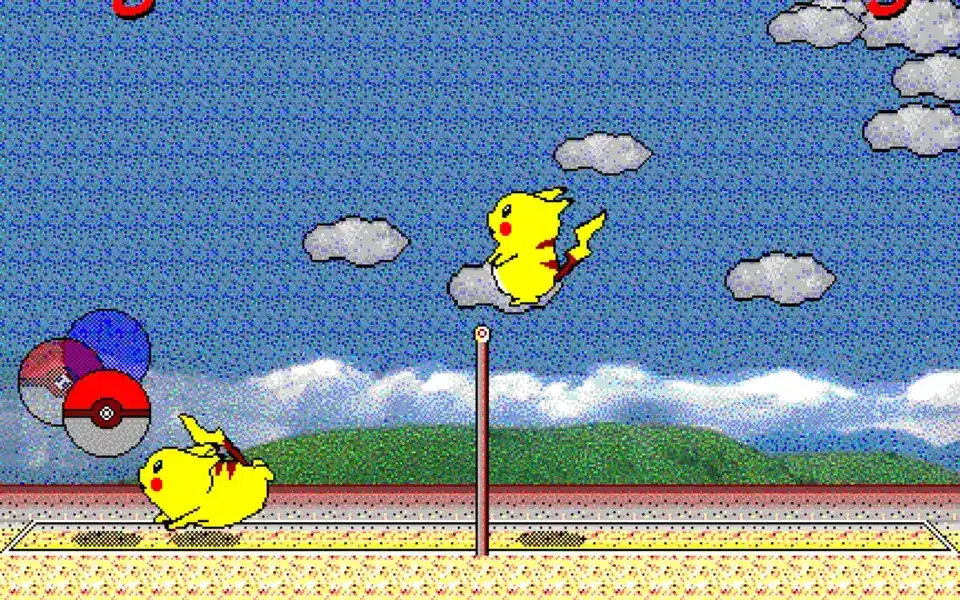
Direction becomes harder to read when the approach stays the same. Practice alternating left and right while keeping jump height and tempo unchanged. Changing only one variable makes the result easier to understand.
Redirect only when the ball is in front of your body and the defender has committed. If the contact is late or behind you, choose a safe return instead of forcing a dramatic angle.
- Alternate targets from the same approach.
- Wait for visible defensive movement.
- Use a safe high return when your body position is poor.
Trick 3: make recovery part of the attack
Many trick attempts fail on the next touch, not the first one. A player who attacks from the net and remains there can be beaten by a deep return or a ball that travels overhead.
Treat landing and one or two recovery steps as part of the technique. A less spectacular attack with fast recovery creates another decision; a perfect-looking shot with no coverage gives the rally away.
How to counter short balls and late redirects
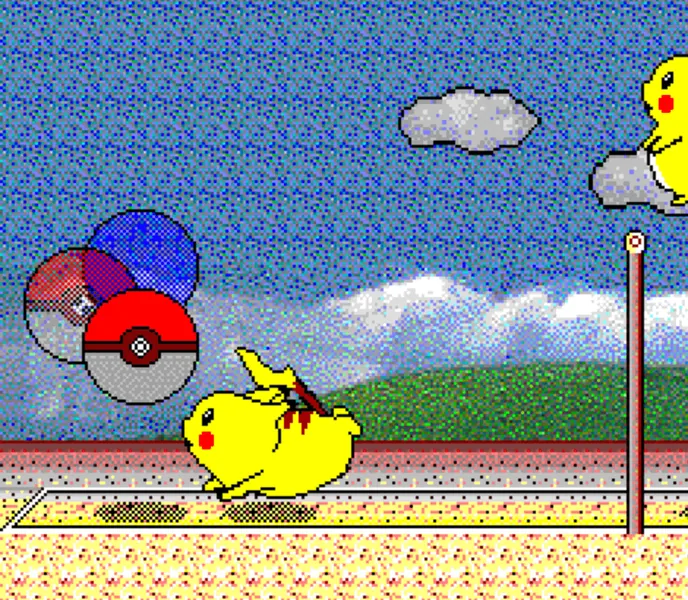
Do not try to guess every trick. Hold a middle distance that lets you take one movement toward the net or the back court, and react to contact rather than jumping only because the attacker jumped.
After allowing one short ball, avoid overcorrecting by standing on the net. On a difficult defensive touch, prioritize a high return and court recovery over an immediate winner.
- Watch the contact, not only the jump.
- Protect a useful middle distance.
- Reset the rally when your body position is weak.
A 10-minute advanced practice routine
Spend two minutes on short balls, two on alternating direction, and two on landing recovery. Then mix short and deep targets for two minutes. Finish with two minutes of normal play where you may not repeat the same trick twice in a row.
If the inputs are inconsistent, return to the controls guide. If your rallies are stable, connect these techniques with the broader positioning and defense plan in the strategy guide.
- 2 minutes: short placement
- 2 minutes: direction
- 2 minutes: recovery
- 2 minutes: mixed depth
- 2 minutes: live decisions